Haus of Amber · Research-led perspective · 2 min read
Luxury is often described through the things people buy: a piece of jewellery, a handbag, a watch or a home.
But the way people define value is evolving. Increasingly, the experience around a product — and the way it fits into a person's life — is part of what makes it desirable.
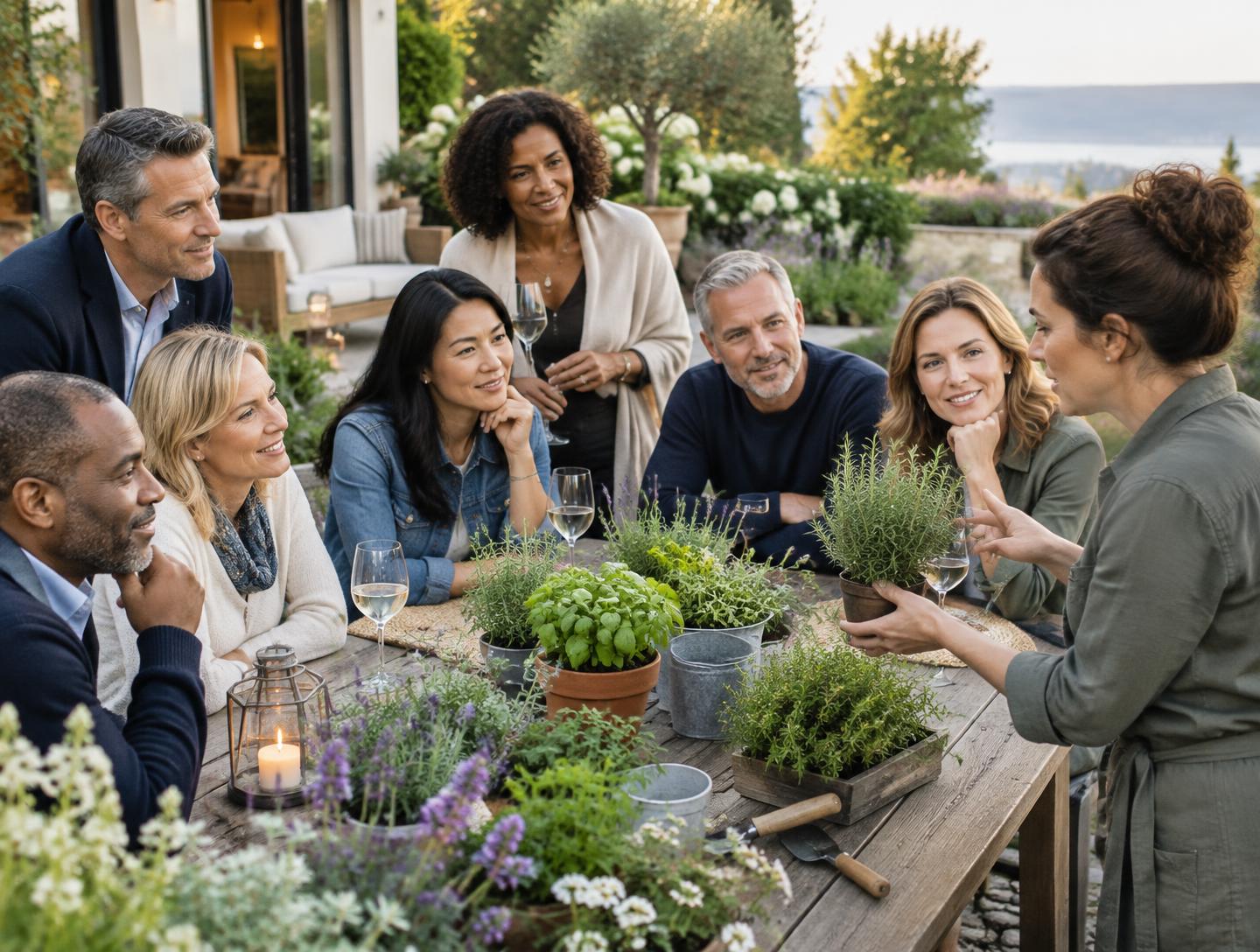
McKinsey's 2025 analysis of the luxury sector pointed to growing competition from experiences such as travel and wellness. Its 2026 research found that emotional connection and experiences are playing a greater role in how consumers engage with luxury. Meanwhile, Sotheby's International Realty's 2026 outlook identified lifestyle and wellness amenities as increasingly important considerations for luxury property buyers.
Across retail and real estate, the implications are strikingly similar.
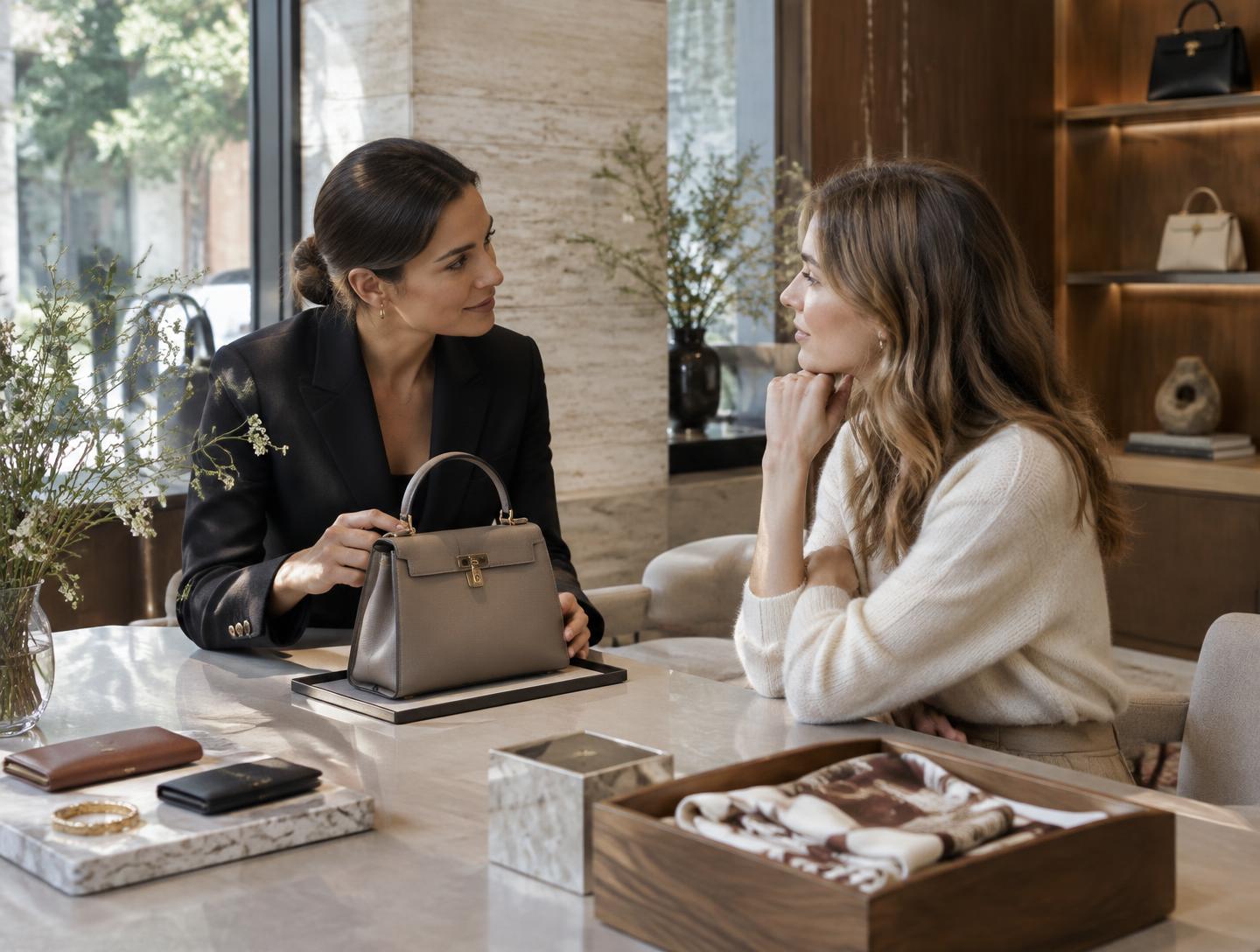
A luxury retail client may value the feeling of being remembered, access to a carefully curated selection or an invitation that reflects a genuine interest.
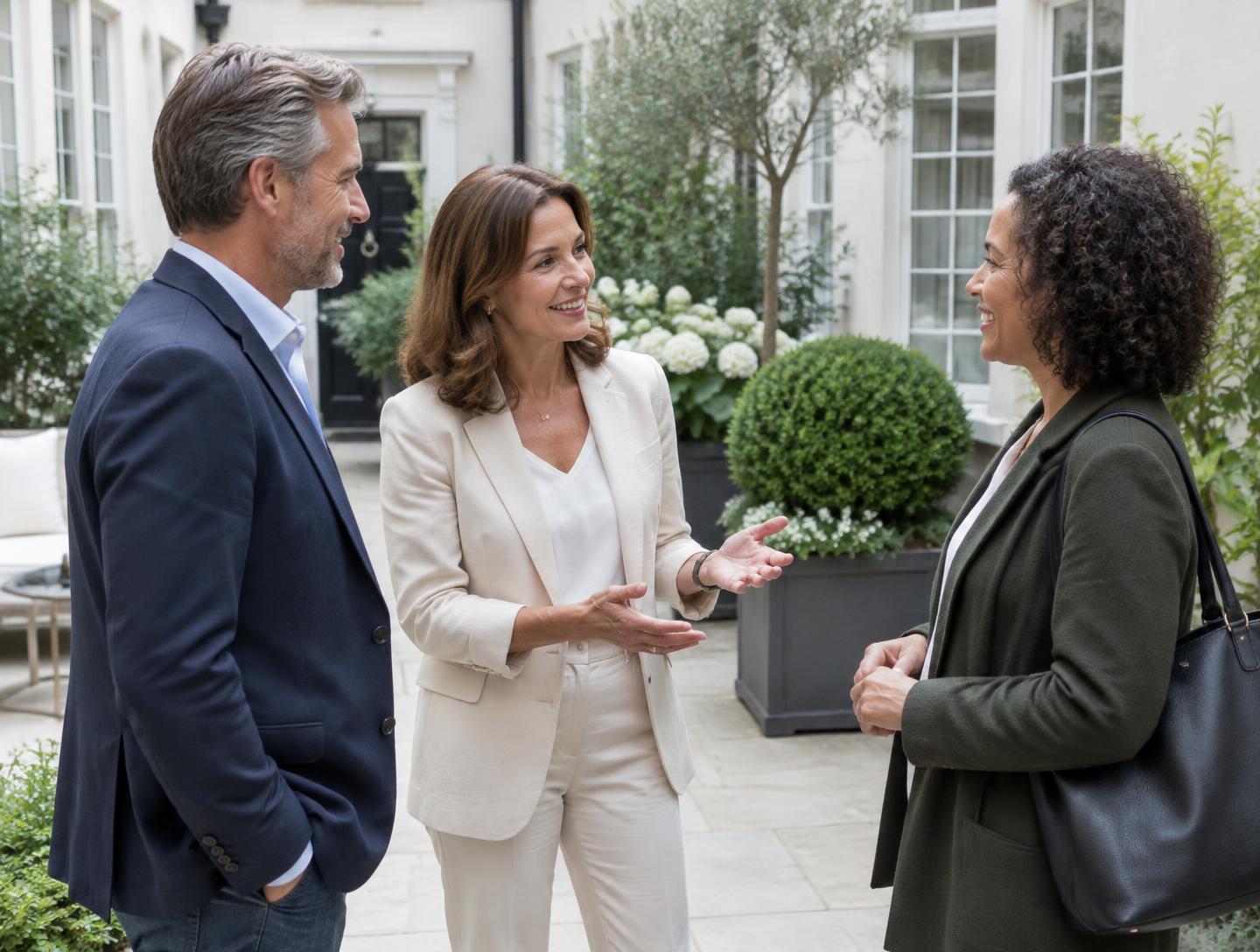
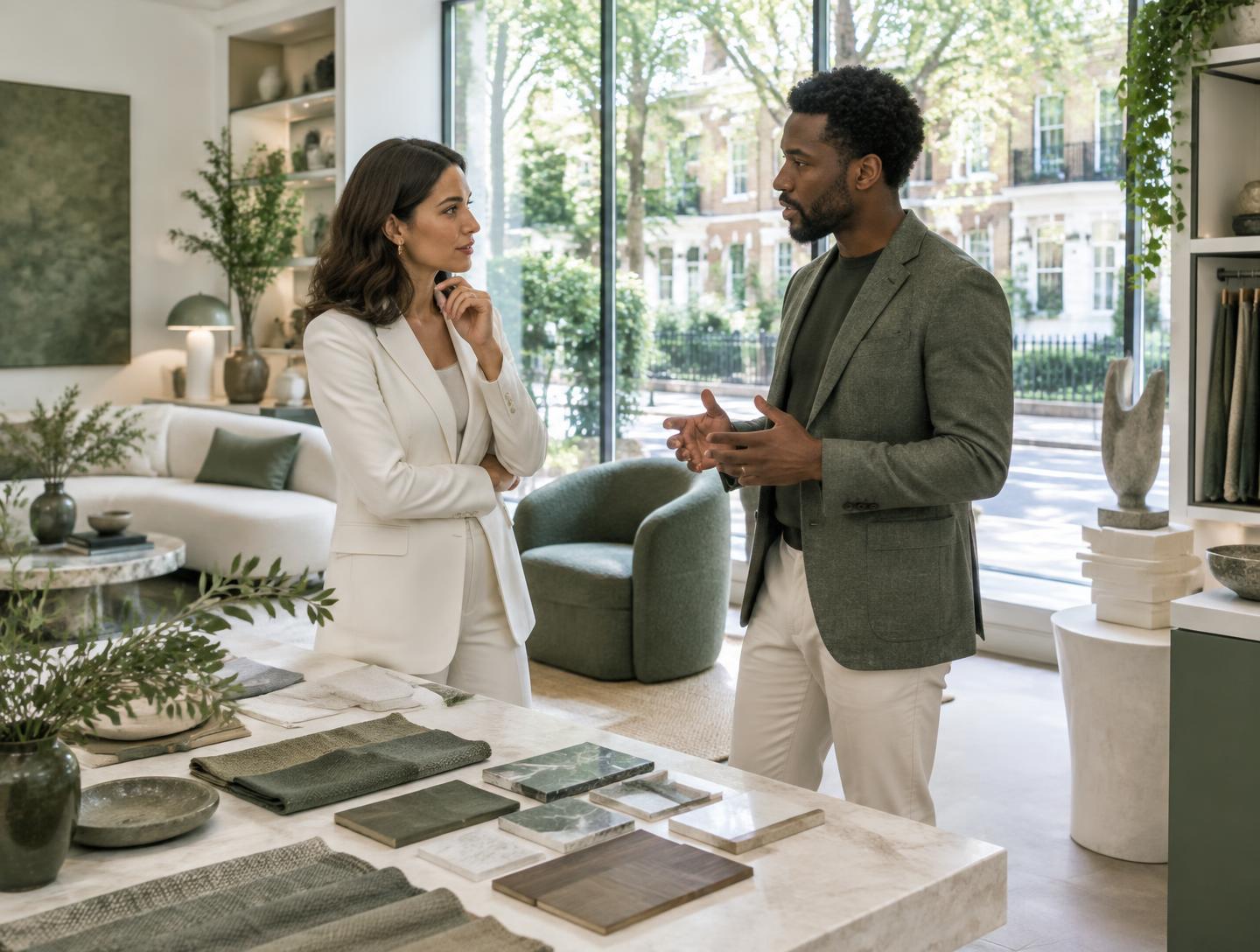
A property buyer may value the confidence that an advisor understands their priorities, the reassurance of clear communication or the sense that a home supports the life they want to create.
In both cases, the experience is shaped by details. Some are designed into the environment; others depend on how people behave.
That is why clienteling should not sit in isolation as a CRM initiative or a sales technique. It is part of the wider service culture.
Does the team understand what exceptional service looks like in practice? Are client preferences translated into thoughtful action? Is follow-up consistent without becoming intrusive? Do teams know how to personalise the experience while maintaining discretion? Can the business deliver the same standard across locations, advisors and touchpoints?
These are operational questions, but they influence how the brand is remembered.
Luxury businesses can invest in beautiful spaces, advanced platforms and carefully designed customer journeys. Yet the promise can still fall short if the people delivering it lack the confidence, habits or support to bring it to life.
Experience is designed by the brand. It is remembered through the people.
For Haus of Amber, the opportunity lies in helping luxury businesses close the gap between the experience they intend to deliver and the one clients consistently receive.
That means connecting strategy with behaviour, technology with human judgement, and individual moments with long-term relationships.
Because in luxury retail and real estate alike, lasting value is rarely created by one impressive interaction.
It is created when every interaction gives the client another reason to trust you.
Research & Further Reading
Selected published research, not an exhaustive review. Report findings are attributed to their publishers; the practical implications and perspectives are Haus of Amber’s own.
- McKinsey & The Business of Fashion · 2025The State of Luxury: How to Navigate a Slowdown (opens in a new tab)
- McKinsey & The Business of Fashion · June 29, 2026The State of Luxury: What US and Chinese Clients Reveal About the Sector’s Future (opens in a new tab)
- Sotheby’s International Realty · January 7, 20262026 Luxury Outlook (opens in a new tab)